Interview: Emmeline Hartley and Jack Mullings - We had fun
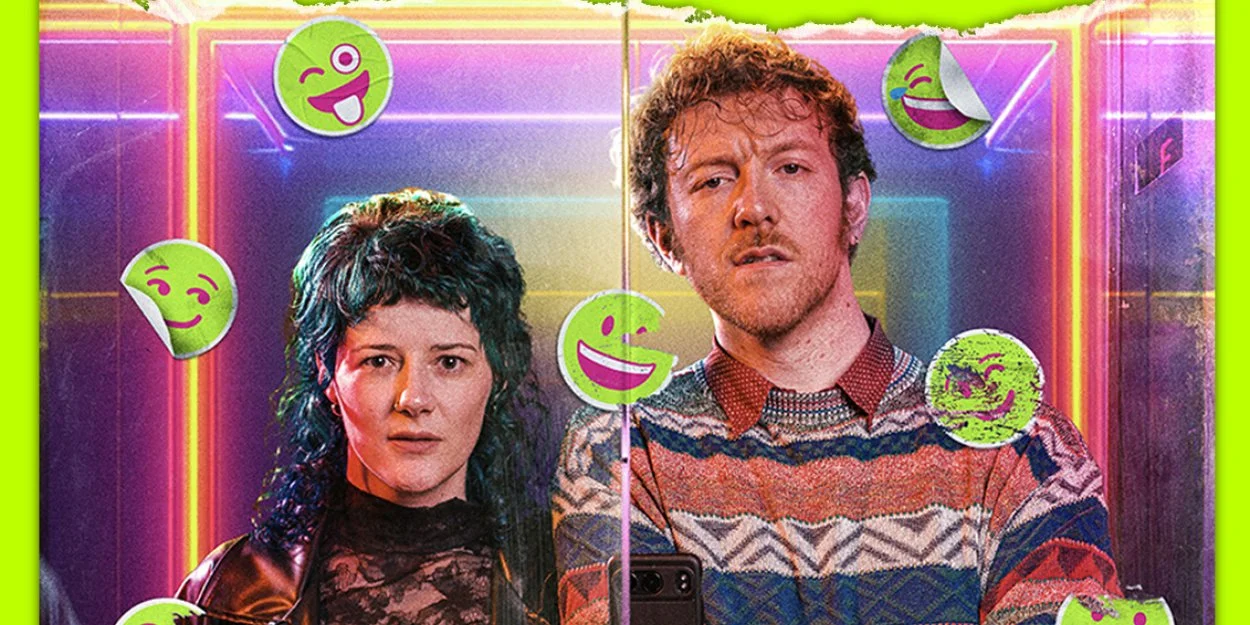
Be prepared for a theatrical rollercoaster. Directed by the Olivier and Tony-nominated Carrie-Anne Ingrouille, the production promises to be as kinetic and chaotic as a wild night out. Expect the timeline to warp, replay, and rewrite itself right in front of you, capturing the fragmented, sensory-overload nature of memory and intoxication.
Ticket Link: https://www.edfringe.com/tickets/whats-on/we-had-fun
Venue: Old Lab at Summerhall
When: 6 - 31 August (not performing on 18 & 25)
Could you tell us a bit about yourselves and the show?
We met while training as actors in 2019, but really connected in 2022, which is when we started working on the script for this play together. We both had come from working class, not typically 'artsy' backgrounds and had both been coming to terms with formal recognition of being neurodivergent. These shared experiences started an ongoing series of insightful, fruitful and challenging conversations. Around this time a short film Emmeline made went viral overnight after being clipped for social media, with people’s responses being worlds apart depending on which clips they had seen. That’s where We Had Fun started.
Based on our own experiences navigating interpersonal relationships and our responses to the volatile shifts in the cultural and social landscape, the show is about two friends, Oscar and Ela, who discover they have fundamentally different memories of a night they spent together - and they're both certain they're right.
The show’s central tension hinges on this phenomenon; when we’re unsure of the truth, what is it that sways us one way or the other? How effectively can we be convinced by a story just based on the way it’s told? Being as aware as we all are now (or hope we are) of manipulative tactics, abuses of power and fabricated narratives, we wanted to present something that reminds us that we are not immune to them, that we have to stay vigilant and critical of our own position.
The show shows two different versions of the same night out. What is it like as actors to play these two different perspectives?
It’s a great way of effectively raising our stakes, for a start; both characters believe their recollection of that night is absolutely true. Though we’ve written the show and know it inside out, when we’re performing we have to completely leave all of that offstage. The certainty Oscar and Ela feel about what they ‘know’ happened is what drives the conflict which, in turn, drives the story. If we weren’t able to authentically portray the conflict that causes, the show would fall flat on its face, so nailling that unshakeable confidence for both of them has been a really tricky but rewarding part of working on our performances.
The amazing Carrie-Anne Ingrouille (from SIX the Musical) is your director. What was it like working with her?
Working with Carrie has been like having our very own lightning in a bottle. Her involvement, including her experience as a choreographer, has been a load-bearing support in the play’s development. For someone who has more than her fair share of big, prestigious rehearsal rooms under her belt, Carrie has been totally down-to-earth. She doesn’t sit behind a table all day in rehearsals, or disappear into a MacBook at lunchtimes. She’s always on her feet, hands-on, and getting into things right with us all. We’ve laughed the whole way through this process, which given the subject matter, has been not only impressive, but really important. With Carrie, we’ve never felt like ‘just actors’ being given direction; just like friends making something collaboratively. We feel really special we got to have her.
The show talks about complicated themes like consent. What do you hope the audience takes away from this story?
We want people to feel more interested in having a conversation with others, as well as themselves - if that’s not too ‘starry-eyed writer’ of us to say. A lot of the issues and problems we’re trying to spotlight in the play are happening because at large, we think we’re informed enough about them, or that we’ve reached a place of awareness with them. Doing right by victims and people who are being failed by our institutions means we have to continue to critically examine them. We’d like our audiences to leave our show a little more unsure of themselves, which sounds like exactly what you wouldn’t want, but uncertainty is the best starting point to push for real, effective change.
What are you most looking forward to about performing at the Edinburgh Fringe this August?
We’ve both been to the Fringe as audience members before, separately and together. There’s really no place anywhere in the world like it - there’s this creative ‘hum’ to the Edinburgh Fringe. As an artist, it’s like being plugged directly into the mains and we’re excited to become contributors to that enormous feeling. Most of all, we really think that it’s the best landing spot for our debut play. There’s an openness, a curiosity and a receptiveness to Fringe audiences, and we’re chomping at the bit to see how they take it.
If you could describe We Had Fun in just three words, what would they be?
We’re writers, so we have to be careful not to get up on our typewriters and pick obscure but carefully-curated ones - we’d definitely lose our cool, edgy cred. That being said, we’d go with:
explosive, transfixing, confronting,