REVIEW: Thelma and Louise
Star review: ★★★★
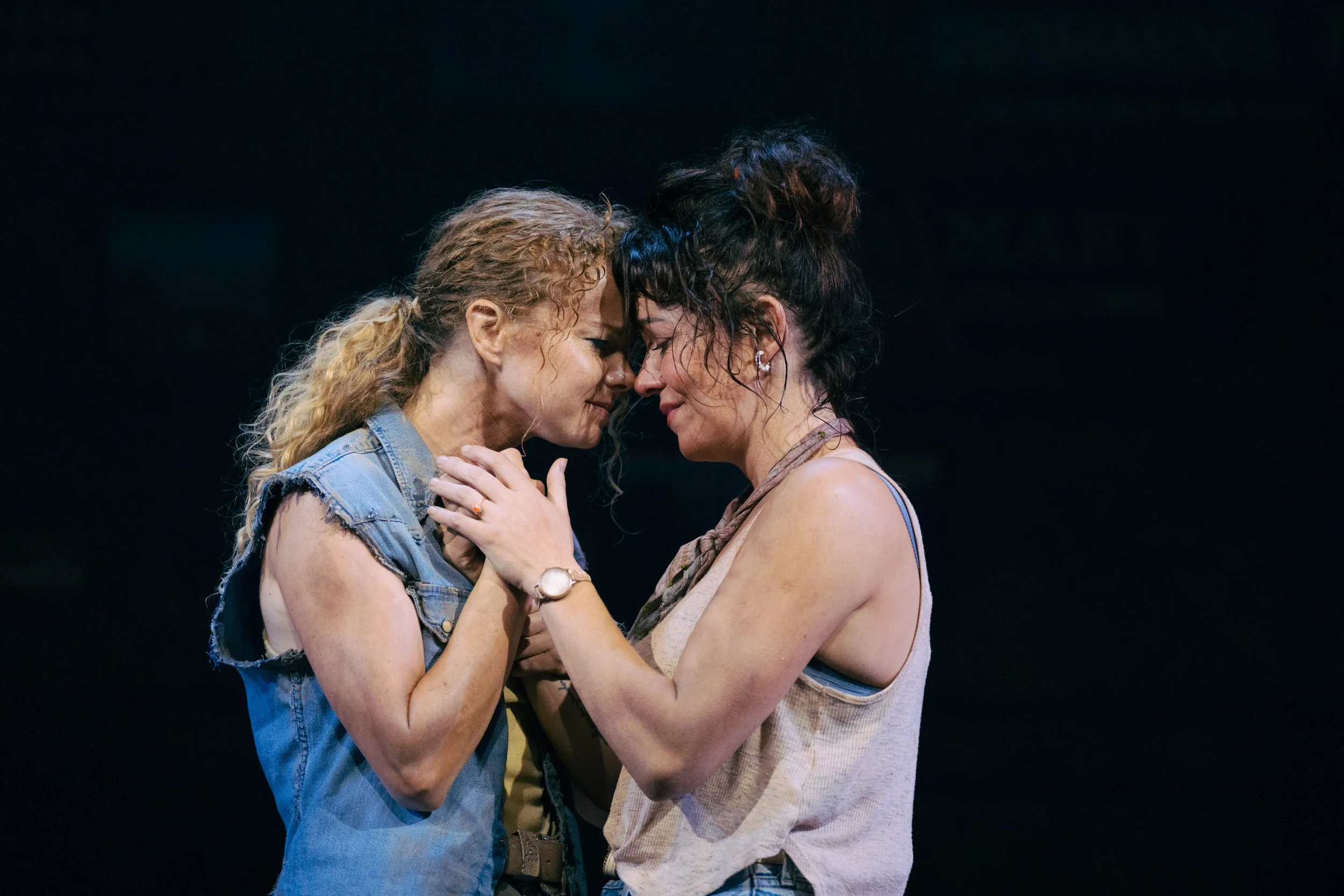
Thelma & Louise is based on the 1991 film, originating entirely from an original, Oscar-winning screenplay written by American screenwriter Callie Khouri, now playing at the Young Vic starring Broadway and West End icon Rachel Tucker and Olivier Award nominee Amy Lennox, portraying best friends Thelma and Louise.
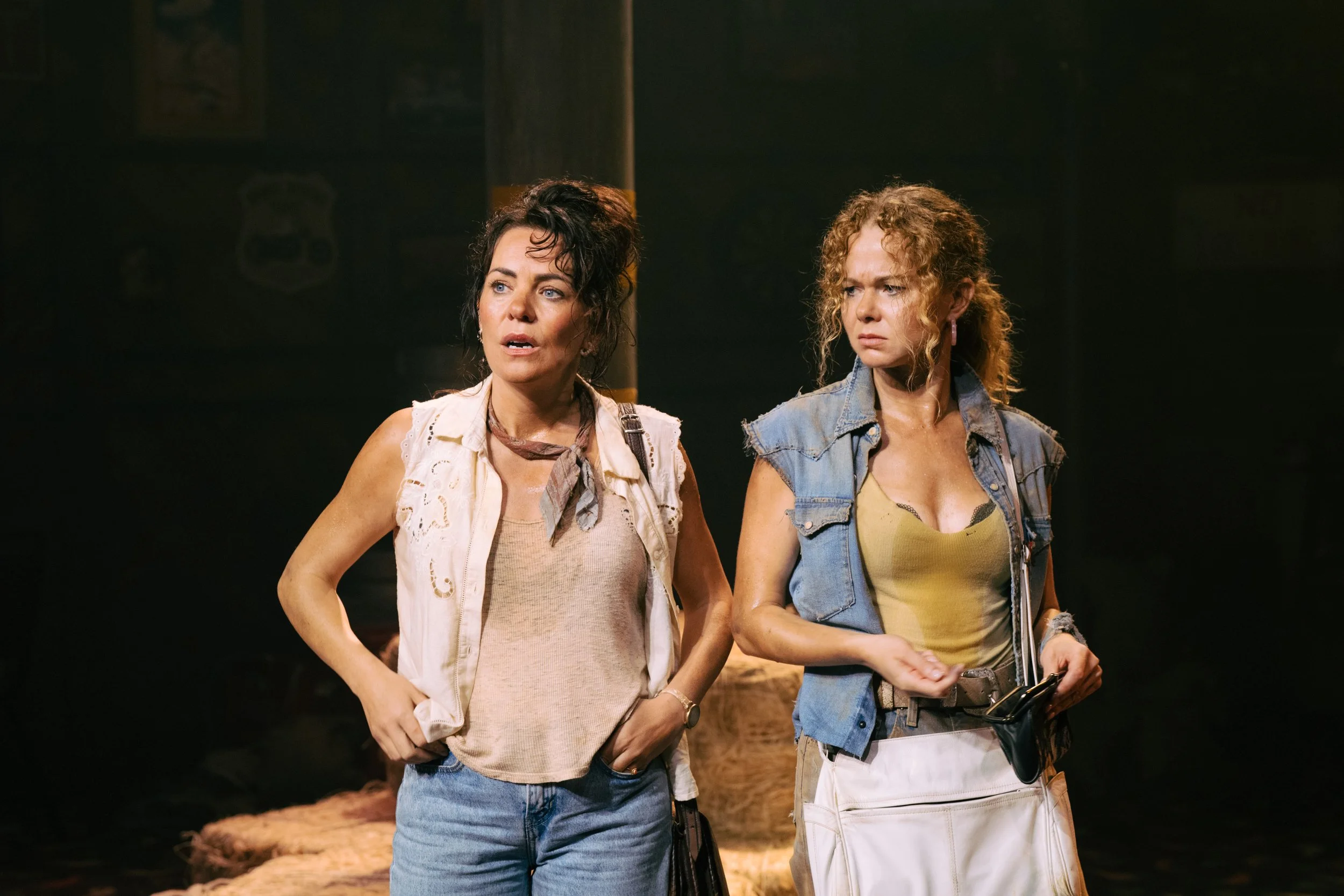
Amy Lennox is brilliant as Thelma, and for me, one of the highlights of the production. She captures her innocence and vulnerability at the beginning beautifully, but what really works is watching her gradually find her confidence and freedom. By the second act, she feels almost like a completely different woman, while still making that transformation believable. Rachel Tucker is fantastic as Louise, giving her the strength and toughness the character needs while allowing us to see the vulnerability underneath. The moments where Louise’s past and trauma begin to surface are particularly powerful, and her quieter solo about Texas is one of the most emotional moments of the show.
Lennox and Tucker have wonderful chemistry together. Their friendship feels completely genuine, which is crucial because that relationship is ultimately the heart of Thelma & Louise. Their quieter conversations are often just as compelling as the bigger musical numbers, and the little scenes that people are not even able to see, as they are in the dark, are so heartwarming. Vocally, both leads are exceptional. They have very different voices and styles, but they complement each other extremely well. When the score gives them the opportunity to really let go vocally, they are incredibly impressive.
The story feels incredibly relevant. The themes of misogyny, sexual violence, female friendship, autonomy, and the desire for freedom do not feel dated. If anything, seeing these women reclaim control of their lives on stage makes some elements feel particularly immediate. Callie Khouri’s dialogue remains one of the show’s greatest strengths. The humour feels natural rather than forced, and the conversations between Thelma and Louise give us some of the best character development. At times, I actually found myself more invested in them simply talking than in some of the musical numbers, so much so that occasionally a song interrupts a scene just as you are becoming completely absorbed in their conversation.
While the production excels in many areas, the staging does face a few notable hurdles. The biggest absence is the car itself. The Thunderbird is practically another character in Thelma & Louise, and for a story fundamentally built around two women escaping on the road, its lack of physical presence is really noticeable. Because of this, a road-trip narrative can strangely feel quite static; the characters are supposed to be traveling huge distances, yet visually we keep returning to essentially the same environment without a true sense of constant forward movement.
The first act feels too slow and takes a while to build momentum, making the contrast with the much more urgent and exciting second act a bit jarring. Musically, the country, rock, and soul sound suits the world of the story extremely well, giving the musical its own identity. However, there are perhaps too many slower ballads close together, which slows down a story that should feel like it is racing toward an inevitable conclusion.
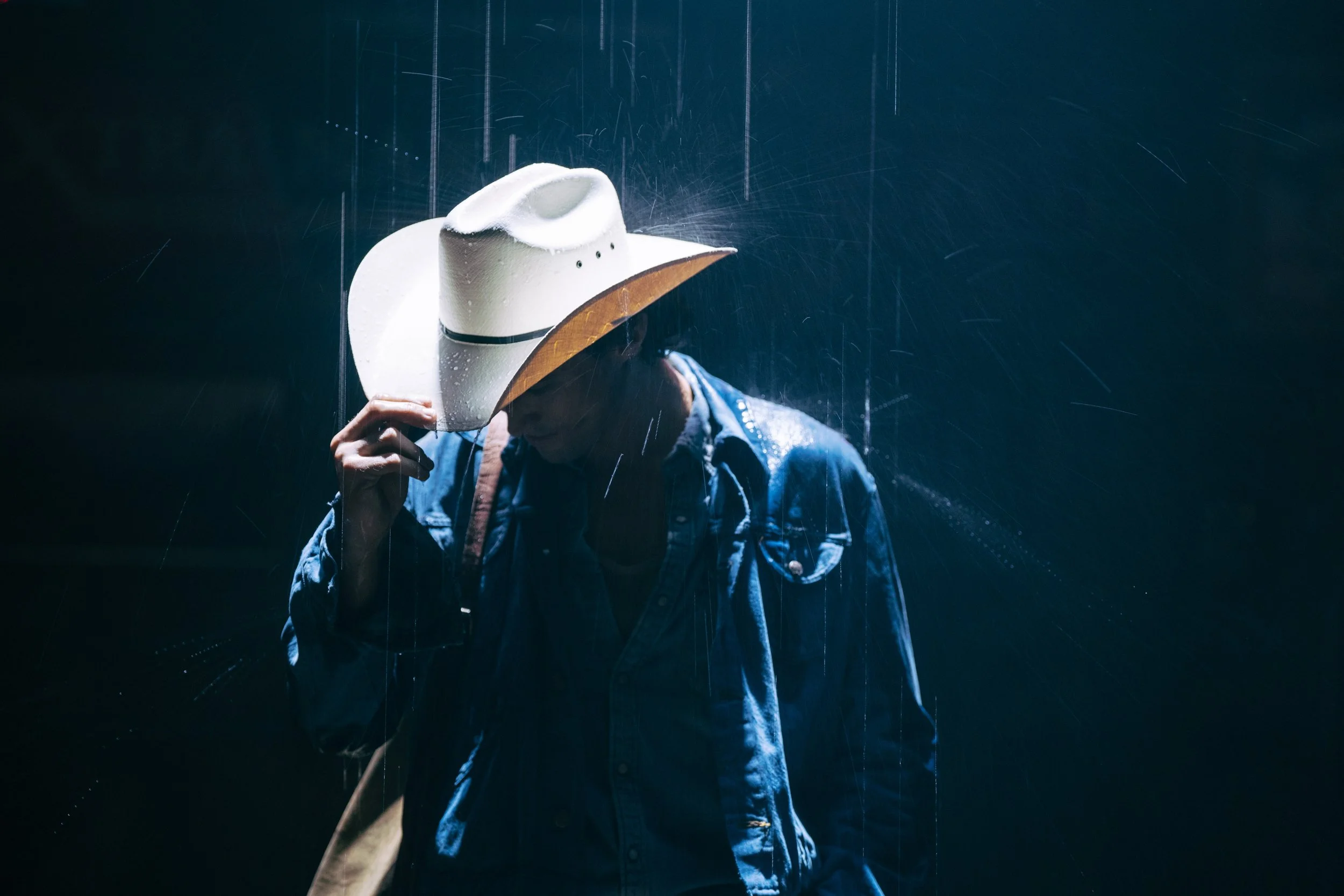
The supporting cast shines brightly. Jordan Luke Gage is very charismatic as JD, immediately having the charm needed to understand why Thelma is drawn to him while still allowing glimpses of the manipulation underneath. Trevor Dion Nicholas brings a lot of warmth to Hal; even though his additional storyline does not feel completely developed, his performance makes Hal sympathetic and gives the character genuine humanity. The ensemble brings great energy to the production, and the movement and line-dancing elements help establish the Southern atmosphere and inject much-needed momentum.
Visually, the roadside bar set, neon, and Americana details create a strong atmosphere, and lighting and sound do a lot of clever work to create movement during the driving sequences. Yet, translating the iconic 1991 film to the stage is no easy feat. The final scene is always going to compete with a legendary cinematic image that audiences already know by heart. While the production finds a theatrical language for that closing moment, it doesn't quite achieve the same devastating sense of freedom, inevitability, and finality as the original film, though the attempt to avoid simply imitating the movie is certainly appreciated.
Thelma and Louise is playing at the Young Vic until 24 Ocotber https://www.youngvic.org/
Photos by Helen Murray